In 2024, the confectionery world witnessed something extraordinary: the rapid ascent of Dubai Chocolate. This bar didn’t just satisfy a craving; it redefined indulgence. For us, as a flavor company, Dubai Chocolate is more than a viral success. It’s a case study in flavor architecture, sensory design, and cultural storytelling.
The formulation may look simple. But in flavor science, it’s a precise orchestration of compounds and textures. What began as Sarah Hamouda’s personal indulgence evolved into a global flavor platform. It speaks to cultural memory in the Middle East and appeals to novelty-seeking international consumers.
Middle Eastern Flavor Explosion
Dubai Chocolate succeeded because it embodies a broader global movement: authenticity paired with indulgence.
Over the past decade, tahini, za’atar, and labneh have shifted from niche imports to mainstream menu drivers. Many consumers, especially Millennials and Gen Z, seek flavors with a rich heritage and compelling narrative. Dubai Chocolate delivers by bridging nostalgia and novelty.
From a formulation standpoint, the success is rooted in functional flavor design:
Pistachio and tahini contribute lipid-based creaminess, extending flavor release.
Their nutty and roasted notes balance sucrose intensity, reducing perceived sweetness.
Kadayif layers in crunch, ensuring each bite activates both taste and texture receptors.
Global Reach & Market Pressures
The brand’s global rise was accelerated by TikTok virality, but sustaining demand required industrial-scale adaptation. That’s where flavor science and supply chain realities intersect.
Take pistachio: a hero ingredient but also a volatile agricultural commodity. With U.S. production down 20% in 2025, the industry is already leveraging:
Natural pistachio-type flavor systems to extend or partially replace raw nut usage.
Regional sourcing strategies from Turkey, Iran, and California.
Flavor chemistry to protect delicate nut volatiles in high-heat applications.
At the same time, global brands are competing to adapt the profile: Lindt’s premium Dubai Chocolate bar, Shake Shack’s pistachio shake, and Crumbl’s filled cookies. For a flavor house, this underscores a key role: translating a core flavor signature into multiple delivery systems, from beverages to ice cream bases, while ensuring stability, solubility, and sensory fidelity across very different matrices.
Beyond the Bar: Adaptation & Innovation
What sets Dubai Chocolate apart is its ability to work across many food formats. The flavor system adapts to:
Frozen desserts: holding its nutty–cocoa balance in ice creams and shakes.
Snacks & coatings: delivering caramelized sweetness in popcorn and glazes.
Spreads & fillings: blending smoothly into nut butters and bakery creams.
Baked goods: keeping flavor impact even after high-heat processing.
Beverages: adding indulgence to coffees, lattes, and plant-based drinks.
Its versatility shows why Dubai Chocolate is more than a passing trend—it’s a flavor platform with broad industry potential.
What’s Next
The next evolution will bring both technical innovation and market expansion:
Better-for-you format: reduced sugar, plant-based dairy, and clean-label systems.
Functional indulgence: incorporating protein, prebiotics, or adaptogens without losing balance.
Regional hybrids: reimagining Dubai Chocolate in alfajores, milk teas, and patisserie.
From viral hype to sustained presence, Dubai Chocolate is shaping up to be a category-defining global flavor system.
Flavor, Culture & Connection
As a flavor company, we see Dubai Chocolate as more than confectionery; it’s a living example of how flavor storytelling, technical formulation, and consumer psychology converge to create lasting phenomena.
The lesson for brands is clear: indulgence drives trial, but indulgence with scientific precision and cultural depth creates loyalty.
Our role is to help brands translate Dubai Chocolate into every imaginable category—without losing the authenticity that made it iconic. From beverage syrups to bakery systems, from frozen novelties to functional snacks, our team of food scientists and flavorists is ready to co-develop the next viral favorite.
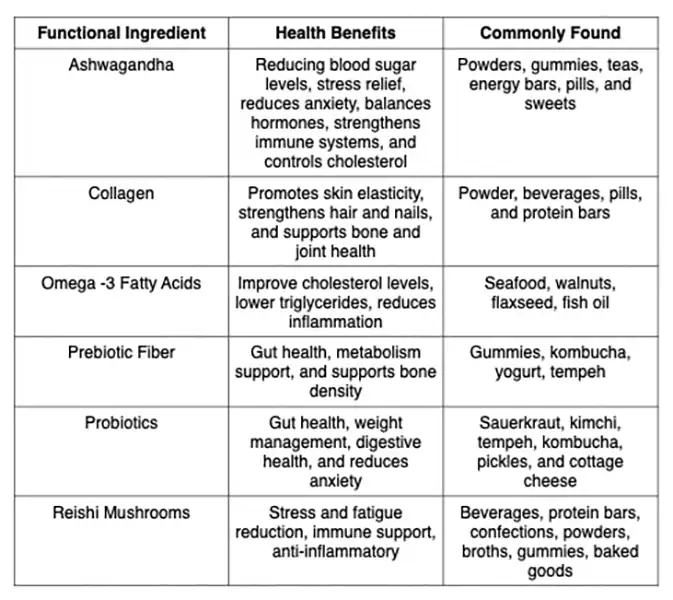
Functional foods are one of the fastest-growing sectors in the food and beverage industry. These products go beyond basic nutrition, incorporating ingredients that deliver additional health benefits such as improved digestion, enhanced energy, stress relief, or skin support.
From probiotics in yogurts to ashwagandha in wellness shots and collagen in lattes, the concept is simple: pair everyday food and beverage formats with science-backed ingredients that improve wellness.
The numbers confirm this momentum. According to Fortune Business Insights, the global functional food market is projected to grow from $398 billion in 2022 to $793.6 billion by 2032. In the U.S., it’s expected to reach $117.2 billion over the same period.
But growth also comes with a challenge, health benefits don’t always taste delicious.
The Taste Challenge in Functional Formulation
While functional ingredients deliver real benefits, they often bring complex and unfamiliar flavor profiles. Ashwagandha can taste bitter and earthy, certain proteins contribute chalkiness or beany notes, and mushrooms add depth but may lean toward umami or mustiness. Even popular wellness inclusions like turmeric or ginger can overwhelm if not balanced carefully.
This is where the flavor industry becomes essential. The success of a functional food or beverage depends not only on what it does for the body but also on how it appeals to the consumer through taste, convenience, and overall experience. Consumers might try a functional product once for its health claims, but they will only buy it again if it tastes good.
Functional Beverages: A Case Study in Flavor Complexity
The beverage category shows just how important flavor solutions have become. Originally, functional drinks started with electrolyte hydration products like Gatorade. Today, the market has evolved into a diverse spectrum of functional drinks:
Gut health formulations with probiotics and prebiotics.
Cognitive and focus blends with nootropics and adaptogens.
Mood and stress management products with calming herbal blends.
Each of these beverage types introduces taste complexities, from sour lactobacillus fermentation to bitter adaptogenic herbs.
At Jogue, we address these challenges by combining masking agents that soften or neutralize unpleasant notes, with appealing flavors that align with current trends. For example:
Bitter adaptogens might be balanced with citrus, vanilla, or berry profiles.
Earthy mushroom tones can be complemented with cocoa, coffee, or caramel.
Protein chalkiness is often offset with indulgent dessert-inspired flavors like cookies & cream or chocolate peanut butter.
Expanding Flavor Solutions Across Functional Formats
While beverages lead the trend, functional ingredients are now embedded in a variety of categories:
Bars and snacks enriched with protein, fiber, or botanical blends.
Gummies delivering adaptogens, vitamins, or collagen in an appealing format
Powders for smoothies, coffee, or milk alternatives.
Plant-based dairy products like yogurts fortified with omega-3s, probiotics, or vitamins.
Each format has its own formulation and sensory challenges. Plant proteins can introduce bitterness or grassy notes. Omega-3 fortification can create subtle fishy or metallic tones. Heatprocessed snacks with botanical inclusions may suffer from flavor degradation over shelf life. The solution isn’t just masking, it’s flavor design. At Jogue, our R&D team specializes in flavor profile selection that works with the functional base rather than fight against it. This can mean designing flavors that embrace complexity (e.g., pairing turmeric with chai spices) or using indulgence to soften functional notes (e.g., vanilla latte collagen drinks).
Why Flavor Innovation Matters More Than Ever
The functional food market is maturing. In its early stage, consumers were willing to tolerate unusual flavors for the sake of health benefits. Today’s consumer, however, expects performance and enjoyment in the same product.
This expectation is shaping flavor development in three keyways:
Upgraded Flavors: functional foods are taking flavor ideas from gourmet desserts, specialty coffee shops, and craft beverages to make them taste more indulgent.
Global Influence: flavors from around the world like yuzu, matcha, black sesame, and saffron are being paired with functional ingredients in creative new ways.
Clean-Label Focus: flavor solutions are being designed to fit clean-label and natural ingredient expectations, while still delivering great taste.
Flavor innovation is now a critical driver of repeat purchase, brand loyalty, and market growth in the functional category. At Jogue, our expertise in masking agents, custom flavor development, and trendaligned flavor creation ensures that functional foods and beverages are not only effective but also genuinely enjoyable.
Trends in the food industry are constantly changing. In recent years, consumers have increasingly prioritized natural ingredients over conventional and processed options. A key aspect that marks this shift is the increased scrutiny of labels, as buyers are paying more attention to nutritional labels, seeking transparency, and making more informed, conscious choices. Additionally, growing regulatory pressure in the United States may further accelerate this shift, signaling significant changes ahead for food manufacturers.
General Assumptions
There have been ongoing discussions around the potential health effects of specific synthetic colors, particularly based on animal studies that have occasionally suggested possible links with long-term exposure. However, in the United States, the FDA has not established any direct connection between synthetic colors and health issues in humans. When used within regulatory guidelines, the FDA considers these colors safe for consumption; however, some experts note that further research could be beneficial.
While some regions, such as parts of Europe, have opted to include precautionary labeling on products containing synthetic colors, these ingredients remain widely approved and used safely across the U.S. food industry. At Jogue, we are committed to staying informed about emerging research and global regulatory updates. We take pride in offering solutions that meet the highest quality standards, always prioritizing transparency and the well-being of our customers.
Substitutes
Specific synthetic colors are being phased out of food and beverage use, with the FDA aiming to finalize their removal by the end of 2026. In response, the FDA has already approved three new natural color additives derived from flowers, algae, and other natural resources.
As manufacturers prepare for this transition, it is critical to understand the properties, performance, and limitations of these natural alternatives. Below is a comparative analysis of potential color substitutions, highlighting key characteristics such as visual appeal, application, and formulations.
Key Considerations When Formulating with Natural Colors
At Jogue, we prioritize transparency in both our work and our interactions with clients. We are actively advancing our understanding of natural color formulation and production to ensure we can deliver high-performing and high-quality solutions that meet our clients’ needs. Our goal is to develop natural colors that match the performance of synthetic colors to the point that the difference is hardly noticeable. Some of our research includes more information and solutions for the following topics.
pH Sensitivity
Certain natural pigments, such as anthocyanins found in red cabbage and black carrots, are highly pH-sensitive, appearing purple in neutral environments, red in acidic environments, and blue in alkaline environments. These characteristics must be carefully managed in multi-phase or shelf-stable products.
Light & Heat Sensitivity
Many plant-based pigments, such as those found in beet juice or anthocyanins, can degrade or fade when exposed to harsh light or heat over extended periods. To maintain appearance and shelf life, manufacturers must carefully consider protective packaging, formulation, and processing conditions to ensure optimal product quality.
Flavor Interactions
As we move away from synthetic colors, we must also focus not only on the color but also on the taste. Some natural colors, such as turmeric, carry distinct flavor profiles that can become very noticeable at higher inclusion levels. This makes flavor interaction a key consideration when testing product substitutes.
Labeling
One of the major benefits of using natural colors is their clean-label appeal. Switching to all-natural ingredients offers brands a labeling advantage. These ingredients align with consumer demand for clean, simple labels that highlight real and recognizable food components. Natural colors help position products as healthier and more authentic, enhancing brand trust and meeting the expectations of today’s health-conscious shoppers.
Costs
While natural colors bring strong consumer appeal, they often come with higher costs. Factors such as limited availability, specialized extraction processes, and shorter shelf life can increase ingredient expenses. However, these costs can be offset by premium pricing strategies, as consumers are willing to pay more for products perceived as healthier, cleaner, or sustainably sourced. Brands must balance formulation goals with financial feasibility, ensuring that added costs align with consumer willingness to pay and overall profit margins.
Leading the Way in Trendsetting
Innovation by major industry players continues to drive growth in the global natural food flavors and colors market. At Jogue, we don’t just keep up with how the food industry is evolving; we are always two steps ahead. We aim to keep our clients happy and stay up-to-date on what’s happening in the world, supporting their ideas while delivering the best solutions for their products. As a result, our R&D team is actively exploring and developing new alternatives to offer a wider variety of products. Some of the natural colors developed by our team that are already used across various applications include:
Natural red color 18-288-1: made from radish, apple, and blackcurrant, processed with water, citric acid, and inverted sugar syrup.
Natural orange color F-8063: made from annatto extract.
Natural blue color 21-114-1: made with spirulina extract, water, invert sugar syrup, and citric acid.
Natural green color 21-102-1: made with fruits, spirulina, water, invert sugar syrup, and citric acid.
Natural red-dark red color F-6906: made with concentrated beet extractives and betanin.
Natural yellow color F-8168: made from turmeric.
Natural purple color 18-148-1: made with carrot juice.
Natural red-orange color F-8176: made from beta carotene.
These developments reflect our commitment to our clients, providing safe and sustainable flavors in response to the growing demand for organic products.
At Jogue, we are aware of the concerns our clients have about switching from synthetic to natural colors, including differences in costs, stability, shelf life, and appearance. Our R&D and Quality Control teams proactively addressed these issues, leveraging our existing experience working with natural colors. Jogue proactively innovates and refines our processes to ensure that our natural solutions meet the same high standards our clients expect from synthetic alternatives.
In recent years, the food and beverage industry has seen a surge in the popularity of pickle flavors. This bold yet nostalgic taste is captivating consumers and driving innovation across various product categories. From pickled flavored popcorn to pickled lemonade, this trend is thriving in unexpected areas, even extending to social media platforms creating viral pickle challenges. Our team of flavor experts are here to help you dive into the factors fueling this pickle flavor frenzy and explore some of the most exciting developments in this trend.
The Rise of Pickle Flavors
The pickle trend is nothing new but is experiencing a resurgence due to Gen Z’s enthusiasm towards bold, tangy, and exciting new flavors. Pickle flavors have been making waves globally, appealing to consumers with their unique combination of sour, salty, and sometimes spicy notes. This trend is not just limited to traditional pickles but has expanded into snacks, beverages, and even condiments. The versatility of pickle flavors and how easy it is to seamlessly blend with a wide array of ingredients like vegetables and even desserts has made pickles or pickle-flavored things a must-have at any gathering and is a key reason behind their growing popularity.
Social media has played a significant role in the rise of pickle flavors. Platforms like TikTok and Instagram are buzzing with creative recipes and innovative uses of pickle flavors. For instance, pop star Dua Lipa’s viral video of adding pickles and jalapeño juice to Diet Coke sparked widespread interest and experimentation. There was even a pickle challenge going around on TikTok that started in 2024 called “The Spicy Pickle Challenge,” where TikTokers eat very spicy pickles straight from the container, which led to Pringles creation of their spicy pickle Pringles and the return of their dill pickle Pringles.This online enthusiasm is translating into real-world demand, with brands quickly responding to consumer interest.
According to a trend analysis by Annanya Raghavan at Google in February 2025, the searches for “pickle flavor” have never been higher in the U.S., and searches including “pickle popcorn” spiked 340% this year. This is not just pickle-flavored products; Pickles have also been infused with other flavors, including cotton candy.
Pickle Innovation
The market is witnessing a plethora of new pickle-flavored products. Snack brands like Goldfish and Lay’s have introduced pickle-flavored crackers and chips, while Pringles has reintroduced its popular Dill Pickle flavor. Even the beverage industry is embracing this trend, with pickle-flavored spirits and mixers experiencing significant growth. The Original Pickle Shot, for example, has seen a 29% increase in sales over the past year!
Other snack brands like Nature Made even went as far as introducing pickle flavored gummy vitamins, and Petco introduced “Pickle Mania” with 26 pickle themed animal toys. People are going as far as posting challenges about surprising your neighbor with a pickle wreath, attracting more than 70,000 people.
Restaurants are not left behind in this pickle craze. Chains like Jimmy John’s and Burger King have introduced innovative menu items such as the “Picklewich” and Pickle Fries, respectively – both gaining massive attention from social media platforms not only helping their sales, but also influencing menu innovations, ensuring the pickle crave continues to thrive. These creative offerings are drawing in customers eager to try something new and exciting. A few of our favorite flavors to pair with pickles include:
Red Chili Pepper
Garlic
Honey Mustard
Lemongrass
Ginger
Health and Nostalgia
Pickles are getting popular now partly because of the natural and organic trend that is also happening. Some of the health benefits that come from pickles and pickle juice include:
Probiotics – Pickles are rich in probiotics, supporting gut health by maintaining a healthy balance of bacteria, improving digestion, and reducing bloating.
Electrolytes – Pickles contain lots of sodium due to the added salt, which can aid in muscle recovery, keep you hydrated, and play a major role in facilitating nerve impulses.
Blood Sugar Regulation- Pickles contain vinegar, and the vinegar helps lower blood sugar levels.
Antioxidants – Pickles contain antioxidants such as vitamin C and beta-carotene, which help fight oxidative stress in the body, protecting your cells from being damaged by free radicals (which link your body to cancer, heart disease, and more.)
You can have pickles of all flavors, such as Ghost pepper pickles, garlic pickles, horseradish pickles, and even bread and butter chip pickles that follow these rules and are also absurdly low in fat. Pickle flavors also tap into the nostalgic sentiments of consumers, with products like Cleveland Kitchens pickle flavored Krout and sauces offering not only bold flavors and health benefits as listed above, but also reminiscent of childhood memories and traditional recipes, adding to their charm.
However, consuming a bag of pickle chips or pickle popcorn in hopes of improving your gut health or reducing bloating will not give you the same results as eating a traditional pickle would, as the ingredients are not the same. Therefore, while pickle-flavored products may mimic the taste due to being made with artificial flavors and preservatives, they do not offer the same health benefits as traditional pickles.
The Future of Pickle Flavors
Lifestyles have become increasingly fast paced, and the demand for convenient “grab and go” snacks and meals has risen. In response, pickles have maintained their competitive edge by offering single serve pickles in portable bags for convenience, available in a variety of classic and new flavors.
As the pickle flavor trend continues to grow, and as demand for bold and fun blends of flavors continues to skyrocket, we can expect even more innovative products and creative uses of this tangy taste. From snacks to beverages and beyond, pickle flavors are set to remain a prominent feature in the food and beverage industry. Whether you’re a pickle enthusiast or just curious to try something new, there’s no denying that pickle flavors are here to stay!
Our team of flavor experts can help provide you with a Pickle Flavor that is sure to shine in your next food or beverage product, no matter how eccentric it may sound. We also offer a wide range of flavors that will enhance your pickle product. Reach out to us for more information today!
From protein-packed pints to PB&J nostalgia, the dairy aisle is transforming—and Jogue was on the ground at the 2024 Ice Cream & Cultured Innovation Conference to taste what’s next. Here’s a snapshot of the trends driving innovation in frozen and cultured dairy, and how Jogue is helping brands stay ahead of the flavor curve.
📈 A Rebound for DairyAfter decades of decline, fluid milk saw a slight uptick (+0.1%) in retail volume in 2024, thanks to growing demand for:
Lactose-free and A2 options
Value-added products across bulk and foodservice
A shift in at-home consumption habits that started during the pandemic
And it’s not just milk—all dairy categories saw growth, with consumers reaching for high-protein, functional, and fun.
🔬 Top 10 Formulation Trends We’re Watching
Sugar Reduction: Lower sugar without losing flavor—something Jogue does best.
Protein, Front and Center: Whether it’s whey, milk, or plant-based, clear protein communication is key.
Clean Label Simplicity: Minimal, transparent ingredients matter more than ever.
Women’s Health: Dairy innovations are tapping into life-stage nutrition and wellness.
Gut Health: Probiotics, prebiotics, and postbiotics are becoming essential.
Newstalgia: Nostalgic flavors with a modern twist—think cereal milk, PB&J, or breakfast-for-dessert.
Swicy (Sweet + Spicy): A flavor mashup that keeps consumers curious.
Choco Craving: Bits, pieces, ribbons of indulgence are driving decisions.
Flavor Wowza: Surprising profiles that stand out—yes, even breast milk-inspired ice cream made headlines.
🧀 The Cottage Cheese Comeback
With over 20% sales growth, cottage cheese is having a moment. Expect to see it beyond the tub in:
Pizza crusts
High-protein dips
Frozen treats
Indulgent pairings and sidecars
Jogue is ready to help bring bold flavor to this booming space.
🍦 Frozen & Dairy-Free Go Creative
From cauliflower-based dessert launches to collagen-enriched smoothies, innovation is exploding. Some favorites:
EatKinda (NZ): Cauliflower-based ice cream
Unilever x Haribo: Push-pops with gummy swirls
Wells x Ferrara: “100 Grand” frozen mashup
Lifeway: Collagen smoothies & dressings
Yakult & Danone: Functional shots targeting stress & gut health
💪 Protein is King—Especially for GLP Users
Protein is more than a macro—it’s a strategy. With GLP-1 drugs like Ozempic changing the nutrition landscape, consumers are reaching for:
High-protein, lactose-free snacks
Portion-controlled indulgence
Meal replacements with function
Jogue helps brands tailor flavor to meet the moment—without compromising experience.
🎨 Clean Color Counts
Color is under a microscope, especially artificial dyes like Red 3, Yellow 5 & 6. With bans gaining traction across the U.S., natural alternatives like betalains from beets are becoming flavor-neutral heroes—though they come with pH and heat sensitivity that Jogue’s formulation team is already navigating.
🧁 Flavor & Texture Drive Treat Culture
Consumers are looking for comfort, indulgence, and experience:
Top Trending Flavors: Strawberry Matcha, Spicy Honey, Miso Caramel, Chicory
Textures that Win: Crunchy inclusions, gooey centers, playful layers
And nostalgia sells—56% of shoppers seek it. Expect to see more Animal Cookies, Dole Whip, and Dirty Shirley ice cream riffs this summer.
Ready to Create the Future of Flavor?
Whether you’re developing a new cottage cheese concept, exploring clean-label indulgence, or building the next viral texture trend, Jogue is your partner in flavor innovation.
“Spring Cleaning” is a famous phrase for a reason. The transition from Winter to Spring has an inherent sense of fresh newness that has many of us craving a new start. Although we usually associate this feeling with the desire to clean up our homes or adopt sustainable practices, we’re finding these patterns permeate into the Food & Beverage Industry more year after year!
As we step into Spring 2025, we anticipate a strong movement toward biodiverse flavors.This movement is not just about taste; it’s a celebration of sustainability, health, and the rich tapestry of what nature has to offer. In this report, our team of flavor experts define what biodiverse flavors are, and how they can be applied in innovative formats to elevate your next food or beverage product for the new season!
What are Biodiverse Flavors?
Biodiverse flavors stem from ingredients grown through regenerative agriculture and biodiversity practices. This approach emphasizes the use of heirloom varieties, indigenous plants, and sustainably sourced ingredients. The result? A palette of flavors that are as unique as they are environmentally friendly.
Consumers are seeking out these types of flavors for the following reasons:
Sustainability: Regenerative agriculture focuses on restoring soil health, increasing biodiversity, and reducing carbon footprints. By choosing biodiverse flavors, we support farming practices that are kinder to our planet.
Nutrient-Rich: Foods grown in biodiverse systems often have richer nutrient profiles. This means that not only do they taste better, but they are also better for our health.
Cultural Heritage: Biodiverse flavors often highlight heirloom and indigenous varieties, preserving cultural heritage and traditional farming practices.
Key Biodiverse Flavors for 2025
Heirloom Fruits: Expect to see ancient apple varieties, wild berries, and heritage tomatoes making a comeback. These fruits offer unique flavors that are often lost in mass-produced varieties. Our favorite applications include:
Pastry Fillings
Savory Sauces
Sparkling Water
Indigenous Spices: Wild oregano, za’atar, and North African caraway are just a few examples of spices that bring a burst of authentic flavor to dishes.
Savory Crackers
Condiments
Flavored Pickled Vegetables
Specialty Honeys and Syrups: Biodiverse honeys and plant-derived sweeteners are gaining popularity for their distinct tastes and sustainable sourcing.
RTD Cocktails
Cookies
Cakes
Regenerative Teas and Botanicals: Single origin matcha, elderflower, and hibiscus are not only delicious but also support regenerative farming practices.
Biscuits
Muffins
Better-for-You Soda
Terroir-Specific Ferments: Kombucha, miso, and black garlic crafted with regional produce offer a taste of place, connecting us to the land where they were grown.
Savory Broths
Sauces
Bread & Dinner Rolls
While several of these flavors may prove to be difficult to source fresh, we are proud to offer various natural flavors and extracts that can be used to mimic or enhance these types of diverse ingredients.
We use cookies on our website to give you the most relevant experience by remembering your preferences and repeat visits. By clicking “Accept”, you consent to the use of ALL the cookies.
This website uses cookies to improve your experience while you navigate through the website. Out of these, the cookies that are categorized as necessary are stored on your browser as they are essential for the working of basic functionalities of the website. We also use third-party cookies that help us analyze and understand how you use this website. These cookies will be stored in your browser only with your consent. You also have the option to opt-out of these cookies. But opting out of some of these cookies may affect your browsing experience.
Necessary cookies are absolutely essential for the website to function properly. This category only includes cookies that ensures basic functionalities and security features of the website. These cookies do not store any personal information.
Any cookies that may not be particularly necessary for the website to function and is used specifically to collect user personal data via analytics, ads, other embedded contents are termed as non-necessary cookies. It is mandatory to procure user consent prior to running these cookies on your website.


Recent Comments