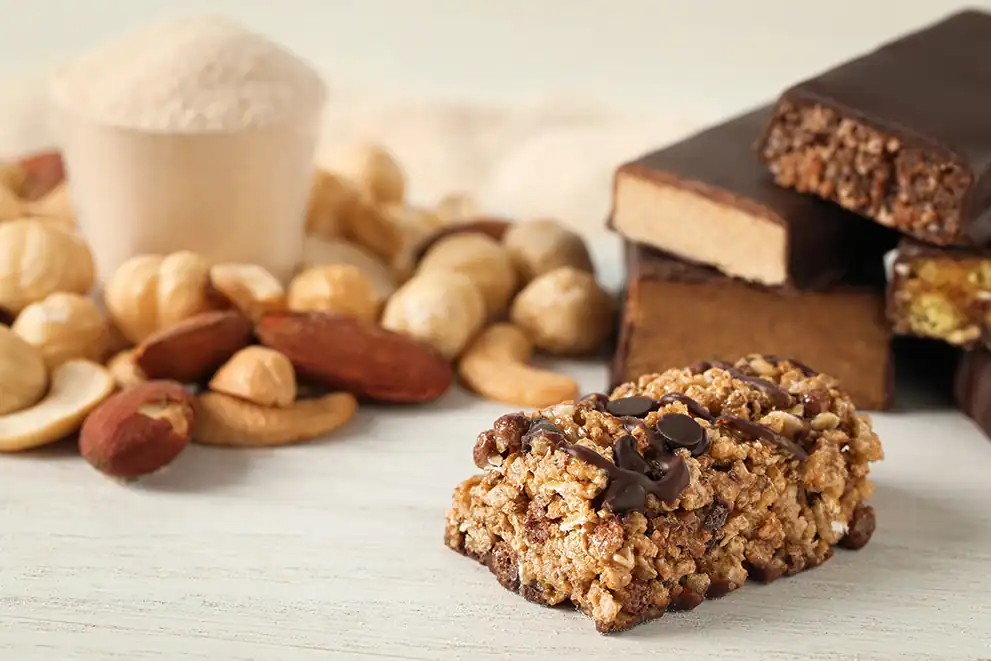
Protein claims are showing up across more categories than ever. Consumers are actively seeking higher-protein options, while manufacturers are working with a wider range of protein sources to meet demand. But choosing a protein is only part of the formulation challenge. The source can have a major impact on taste, texture, processing and the overall consumer experience.
The Protein Push
Protein is no longer limited to traditional shakes and bars. High-protein positioning is moving across the store, from everyday staples to indulgent products.
- Beverages: Protein is moving into ready-to-drink beverages, clear drinks, coffees and even carbonated formats.
- Snacks: Protein is showing up in chips, puffs, crackers and other savory snack formats.
- Bakery & Cereal: Bars, breads, baked goods and cereals are using protein to add nutritional value without changing the familiar format.
- Dairy & Frozen: Yogurt, ice cream and other dairy-based products are being reformulated around higher-protein positioning.
- Confectionery: Protein is finding its way into indulgent formats such as candy, chocolate and better-for-you treats.
- Hydration & Wellness: Protein is increasingly being paired with hydration, energy and other functional benefits in convenient formats.
The demand is putting pressure on traditional protein sources as well. Whey remains a benchmark, but supply constraints and rising costs are pushing developers to consider alternatives including pea, fava, egg and other protein sources. Which protein you use has become a sourcing decision as well as a formulation and flavor decision.
Picking the Right Protein
Animal proteins — Whey, casein, egg, collagen and aquatic proteins are among the options available to formulators.
- Pros: Strong familiarity, established functionality and, depending on the source, good solubility, texture or nutritional positioning.
- Cons: Can bring dairy, egg or other characteristic notes; some sources can be more challenging from a cost, allergen, sustainability or consumer-preference standpoint.
Plant proteins — Soy, pea, fava, rice, canola, sunflower, lentil, mung and other plant proteins are giving developers more options than ever.
- Pros: Broad sourcing options, strong plant-based positioning and flexibility across beverages, bars, bakery, snacks and other formats.
- Cons: Many can introduce beany, earthy, grassy, bitter, astringent or cardboard-like notes that need to be considered during flavor development.
Fermentation-derived proteins — Precision fermentation can produce specific proteins using microorganisms, while biomass fermentation can create protein ingredients from organisms such as fungi, yeast, bacteria or algae.
- Pros: Creates new formulation possibilities and can provide proteins with targeted functionality or animal-protein-like characteristics without relying on conventional animal agriculture.
- Cons: Newer technology, evolving consumer familiarity and regulatory considerations can make these ingredients more complicated to bring to market.
Making Protein Taste Better
Fortifying everything means flavor problems everywhere, and the move toward a wider range of protein sources makes flavor development even more important. Whey is the benchmark, though it isn’t flavor-free. Cardboard flavor is common in whey proteins, and clear acidic whey beverages can develop a soapy note at lower pH. Casein is generally milder, with a bland, smooth and creamy profile.
Plant proteins are where the work often starts. Pea, fava and rice protein can bring beany, earthy, sulfury, green and cardboard-like notes. But protein is rarely the only contributor. Vitamins, minerals, amino acids, botanicals, marine oils, high-intensity sweeteners, acids, preservatives and other functional ingredients can all introduce their own off-notes.
In a fortified product, those flavors can stack on top of one another, making the finished product much harder to balance.

The challenge extends well beyond protein. B vitamins can bring bitter or sulfury notes, minerals can contribute metallic or bitter characteristics, botanicals can introduce earthy or herbal notes, and high-intensity sweeteners can leave bitterness or licorice-like impressions. When several of these ingredients appear in the same formula, the flavor challenge becomes a balancing act across the entire system.
- Soy: Lipoxygenase-derived aldehydes such as hexanal can create beany and nutty notes, while saponins can contribute bitter or soapy characteristics.
- Pea: Bitterness and astringency can be significant considerations, although some nutty and grassy notes may work positively depending on the application.
- Fava: Can offer fewer beany notes than some other plant proteins, but can still contribute bitter and astringent characteristics.
- Potato: Can bring grainy, soily, acidic, astringent and bitter notes.
The usual fix is stepwise. Start by adjusting the basic tastes, then select a characterizing flavor that complements the off-note, and finally add a masking flavor if needed. Processing can help too, but the right flavor system is often critical to making the finished product taste intentional rather than simply trying to hide an undesirable note.
Where Protein Fits
- Clear acidic beverages: Whey isolate is a strong fit because of its solubility in acidic systems, making it useful for clear, high-protein beverages.
- Sports shakes and powders: Pea protein is widely used as a plant-based alternative to whey, casein and soy, but its characteristic flavor can require careful masking.
- Dairy and frozen desserts: Dairy proteins remain a natural fit for these applications, where protein selection also affects texture, stability and the finished sensory profile.
- Bars, baked goods and cereals: Plant proteins such as rice can work particularly well in solid applications where the format and flavor profile can help manage their characteristic notes.
- Gelled and texture-driven products: Fava and mung proteins can offer useful functional properties, giving formulators additional options when texture and structure are important.
No single protein wins everywhere. The right choice depends on the application, pH, processing conditions, cost, nutritional goals and, increasingly, the flavor system needed to make the product taste great.
GLP-1s Change the Protein Equation
The rise of GLP-1 medications is adding another dimension to the conversation around protein. According to a recent Gallup Poll referenced by Dairy Foods, 11% of U.S. adults reported currently taking a GLP-1 medication for weight management in 2026, up from 3% in 2024. As use continues to grow, food and beverage companies have another consumer shift to consider: when appetite decreases and people eat less, the nutritional value of what they do choose becomes increasingly important.
Protein is particularly relevant because maintaining muscle mass is an important consideration during weight loss. This creates an opportunity for products that can deliver meaningful protein in convenient, appealing formats — from Greek yogurt and dairy beverages to protein shakes, bars, snacks and other everyday foods. But nutrition alone is not enough. When consumers are eating smaller amounts, there is even less room for a product that doesn’t taste good.
That makes the relationship between GLP-1s and protein more than a nutritional conversation. It is also a formulation and flavor challenge. Higher-protein products already require developers to manage notes such as bitterness, astringency, earthiness, beany characteristics and cardboard-like flavors, and those challenges become even more important when the goal is to create foods and beverages consumers will actively choose despite a reduced appetite.
For manufacturers, the growing GLP-1 market is another reason to think beyond the protein number on the label. The opportunity is to develop products that deliver protein and other important nutrients in formats that are convenient, enjoyable and easy to incorporate into changing eating habits — because when consumers are eating less, every bite and sip has to work harder.
That’s Where Flavor Comes In
Protein demand is not slowing down, and consumers are not going to lower their expectations for taste just because a product delivers more protein. The opportunity for formulators is to build products that deliver on both sides of the equation: the functionality consumers want and the flavor they actually enjoy.
That is where Jogue can help. Our masking agents are designed to address the challenging off-notes that can come with proteins and other functional ingredients, from bitterness and astringency to beany, earthy, sulfury and cardboard-like characteristics. Rather than simply covering up an off-flavor, the goal is to build a more balanced flavor system that works with the entire formula.
Whether it is a high-protein beverage, shake, bar, dairy product, bakery item or a completely new format, the right flavor and masking strategy can turn a technically successful protein product into one consumers actually want to drink or eat. As protein continues to move into more categories, making it taste great will be just as important as getting the protein number on the label.